A merge asks drivers in separate lanes to share a smaller amount of road. When traffic is already dense, that adjustment can disturb the flow behind it.
A merge changes how space is shared
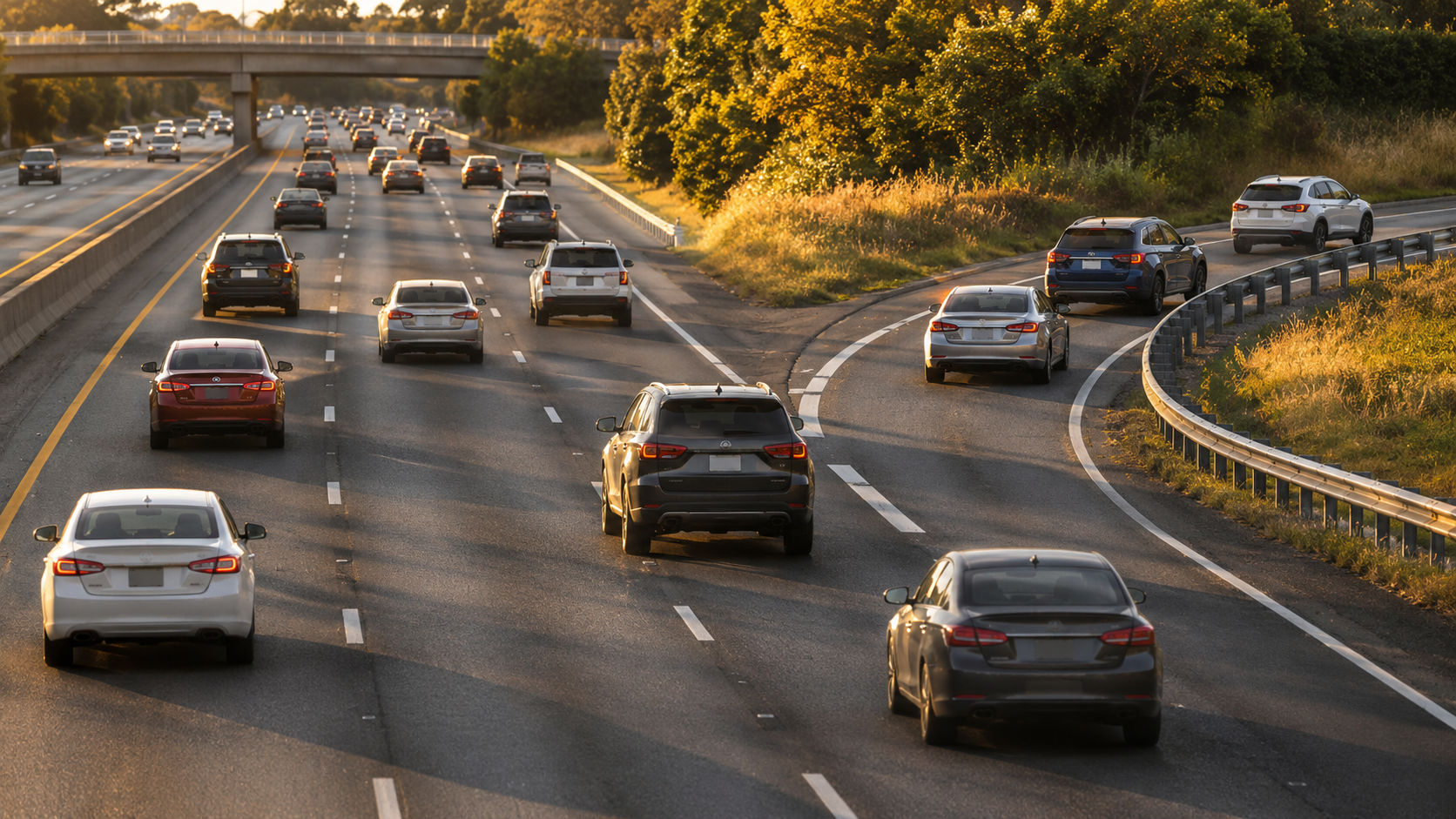
At a lane reduction, traffic that previously traveled side by side must pass through fewer lanes. FHWA identifies lane drops as one source of bottlenecks. When more vehicles arrive than can move through the narrowed section, a queue develops upstream.
An entrance ramp presents a related but different situation: more vehicles join the traffic already on the main road. Not every merge produces congestion. The amount of approaching traffic and the arrangement of the road both matter. A quiet merge and a crowded one can feel like entirely different places.
Small interruptions can spread
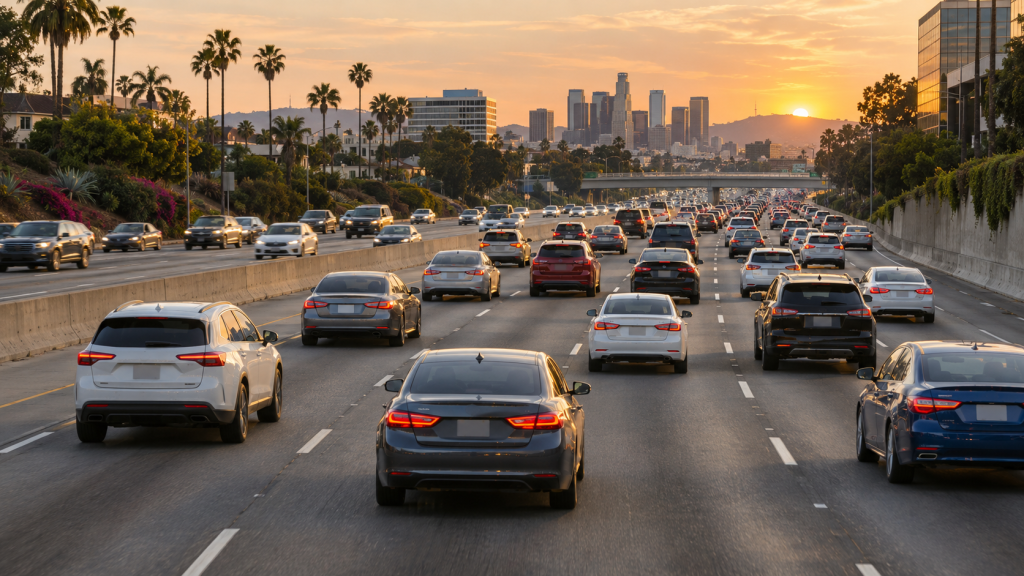
FHWA's traffic-flow guidance describes shock waves that carry abrupt changes through a stream of vehicles. A disturbance near a merge can therefore be felt behind the location where it began. Drivers at the back may experience a stop without seeing the movements at the front.
This is why judging a merge only from your own place in line can be misleading. Your immediate view includes a few vehicles, while the queue reflects a larger pattern. It is possible to feel a delay without being able to identify a single action that caused it.
Look for the instructions at this location
There is no single merge slogan that replaces the signs and controls on a particular road. Temporary lane closures, ramp signals, and local traffic arrangements can ask drivers to behave differently. Read the instructions that apply to the situation you are actually approaching.
It is also useful to separate traffic management from competition. Another driver joining the road is participating in the same constrained flow. Treating every gap as a contest can make an already demanding situation more stressful without giving you a reliable account of what the larger queue needs.
Plan around repeated delays
If the same merge regularly affects your journey, note when the delay occurs and whether another departure time is practical. Do this planning before you travel. Constantly comparing routes from the driver's seat creates another task when traffic already needs attention.
A merge is a good example of the difference between individual movement and network capacity. Even when each vehicle eventually passes through, the space available at one location can limit the whole stream. Understanding that constraint makes the queue less puzzling, though it does not provide a shortcut around it.
Sources & resources
Technical and safety references checked November 18, 2026. These general guides do not replace instructions for a specific vehicle or road.