Everyday driving habits shape how much time and space a driver has to react. Attention, speed choices, and following distance all influence that margin.
Familiarity can hide a competing task
A routine drive can make small distractions feel normal. NHTSA describes distracted driving broadly, including phone use, adjusting entertainment or navigation, and other activities that divert attention from driving. A task does not become harmless merely because it is familiar.
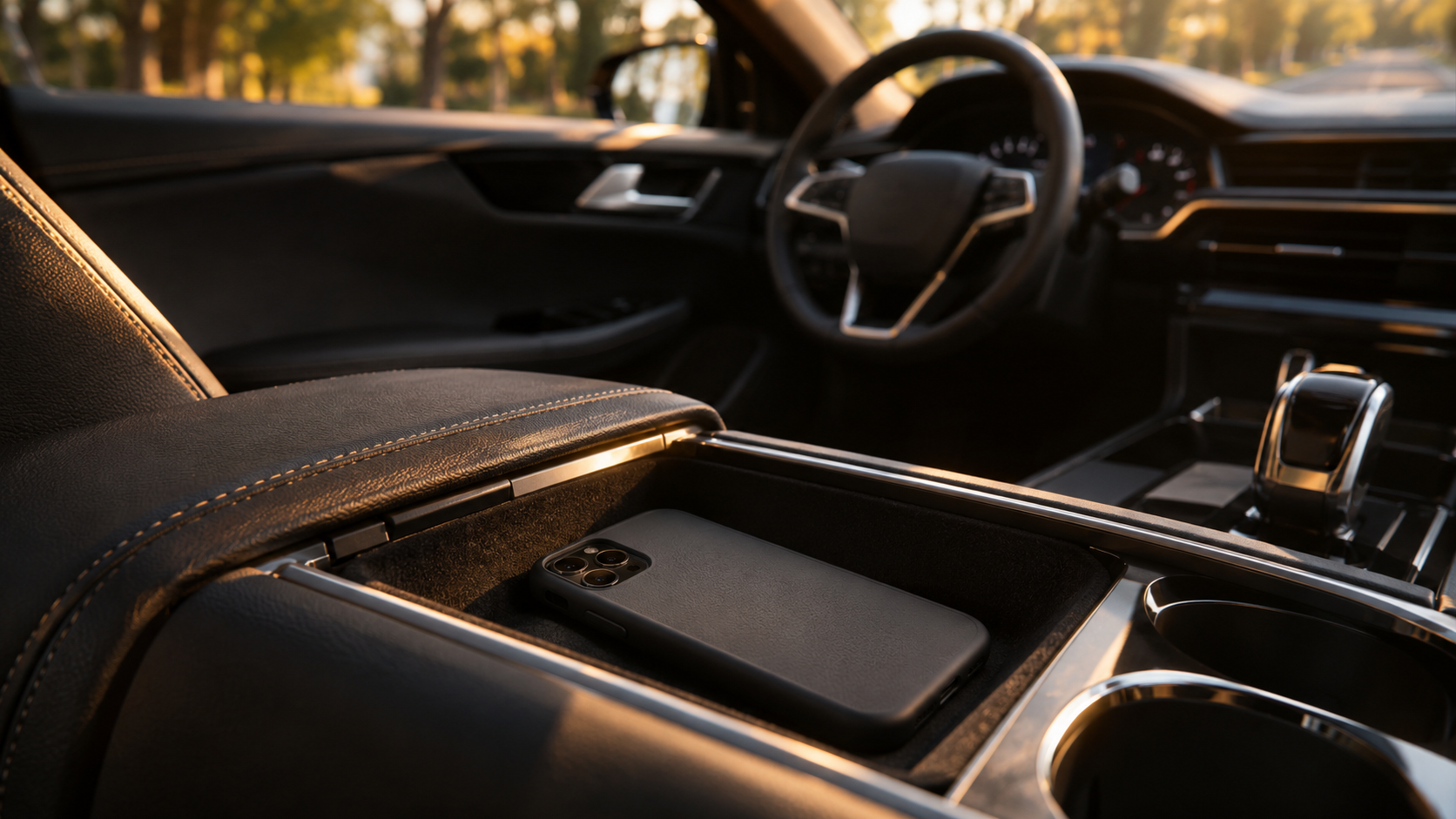
Make the easy decisions before setting off. Choose the route, organize the cabin, and place anything needed at a later stop where it can be found while parked. The aim is to reduce requests for attention during the drive, rather than to become better at juggling them.
Avoid treating speed as a way to recover time
NHTSA notes that higher speed increases stopping distance after a hazard is recognized and can worsen crash severity. Traveling at the posted limit can still be too fast for conditions. Weather, visibility, and road works change what the journey demands.
A useful planning habit is to accept that a late departure changes the arrival time. Building an itinerary around making up lost minutes puts pressure on every later decision. Tell someone you are delayed when safely stopped, or let a passenger handle the communication.
Fatigue deserves a change of plan
NHTSA identifies adequate sleep as the main protection against drowsy driving. If you are sleepy, a determination to complete the final part of a journey is not a substitute for rest. Make arrangements that allow the journey to stop or change.
This is easier when flexibility exists before departure. Avoid planning a drive around the assumption that you will feel exactly as alert at the end as you did at the beginning. For shared travel, discuss who can drive and what you will do if nobody is fit to continue.
Make attention a shared expectation
Passengers can help by allowing the driver to concentrate and by managing non-driving tasks when appropriate. Agreeing on that expectation is especially useful on an unfamiliar route or in demanding conditions. A conversation or request can wait when the driver needs to focus.
Changing a habit need not begin with a dramatic promise. Choose one repeated situation to improve: setting navigation before moving, putting the phone away, or leaving enough time for the journey. These choices do not guarantee an incident-free drive, but they place attention and preparation where they belong: at the center of the task.
Sources & resources
Technical and safety references checked November 18, 2026. These general guides do not replace instructions for a specific vehicle or road.