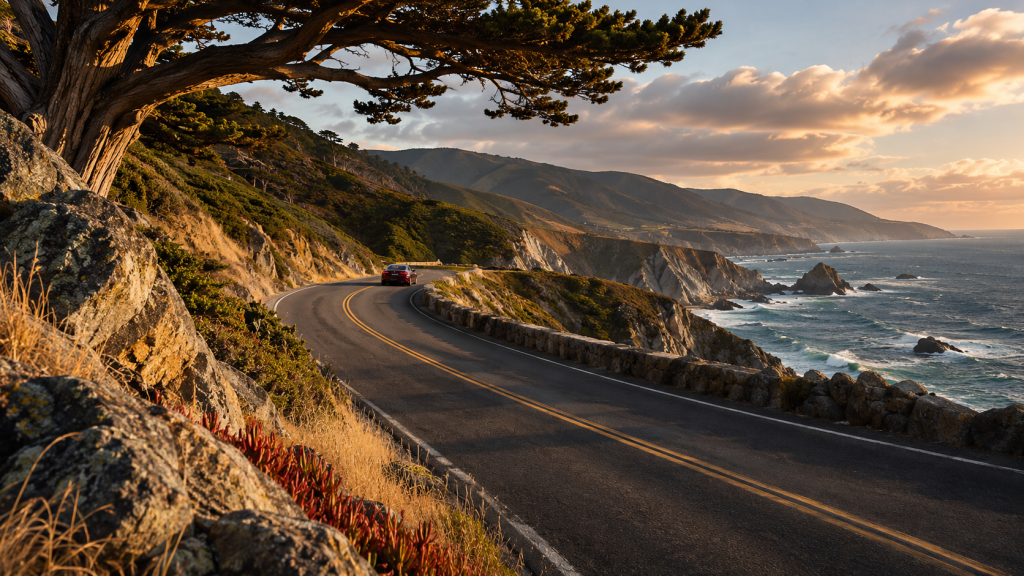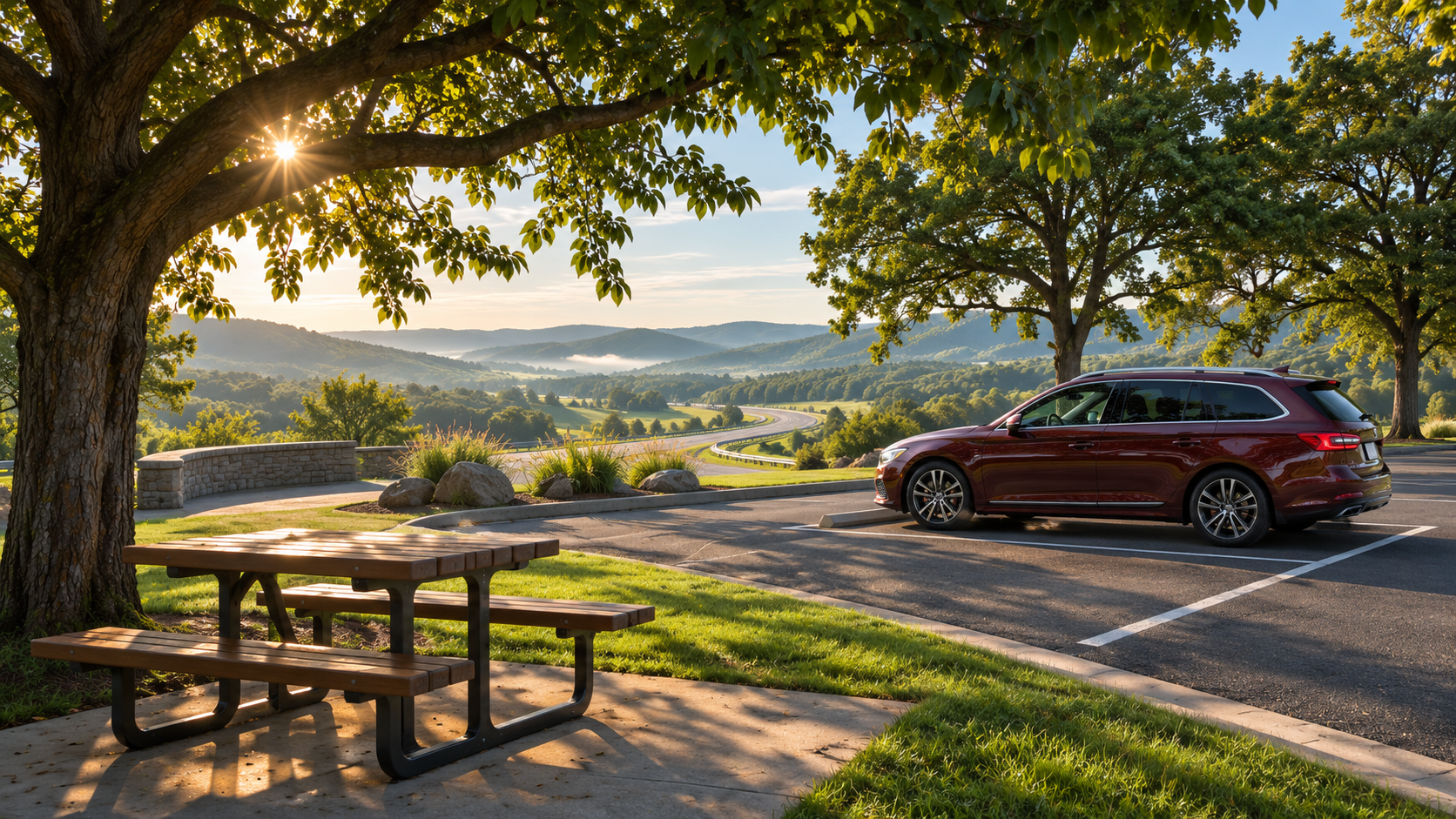
A useful rest stop offers more than a place to park. Think about access, available facilities, and where it falls within the rhythm of the journey.
Choose the stop for the people traveling
A good rest stop answers an actual need. One traveler may need an accessible restroom, another a quiet place to pause, and another enough time to eat without rushing. Begin with those needs instead of selecting stops only because they divide the map into equal distances.
Discuss any requirements that cannot be left to chance. Step-free access, space for mobility equipment, or particular facilities may need confirmation from the operator. A symbol on a general map is a starting point for checking, not a complete description of what will be available.
Consider arrival and departure
Look beyond the place itself. Consider how it fits the direction of travel and whether reaching it turns a short break into a substantial detour. A stop that looks close to the highway on a map may involve additional local driving or a different return route.
Keep the plan simple enough to remember. Knowing the name of the stopping place and the exit or local destination is often more useful than keeping several loosely chosen alternatives in mind. Save details before setting off, particularly where reception may be limited.
Give the pause enough time
A break can feel rushed if its schedule accounts only for buying food. Parking, using facilities, helping children, and reorganizing belongings all take time. Treat the stop as part of the journey rather than an interruption that must be completed as quickly as possible.
Let the group know whether the next stage has a fixed arrival requirement. That makes it easier to choose a sensible balance between lingering and leaving. If the timetable has become too tight, removing an optional destination may be more comfortable than compressing every remaining pause.
Keep an alternative and know when to stop early
Facilities can be unavailable, crowded, or different from what you expected. Identify another suitable stopping place without assuming that the original choice will always work. If someone needs a break sooner, the planned stop should not become a reason to ignore that need.
NHTSA advises drivers to take drowsiness seriously and identifies sufficient sleep as the main protection. A sightseeing itinerary is not a reason to continue while sleepy. Allow the journey to change when rest is needed.
The most useful rest-stop plan is one the group can adapt. It provides a few dependable options while leaving room for the people in the car to determine the pace of the day.
Sources & resources
Technical and safety references checked November 18, 2026. These general guides do not replace instructions for a specific vehicle or road.