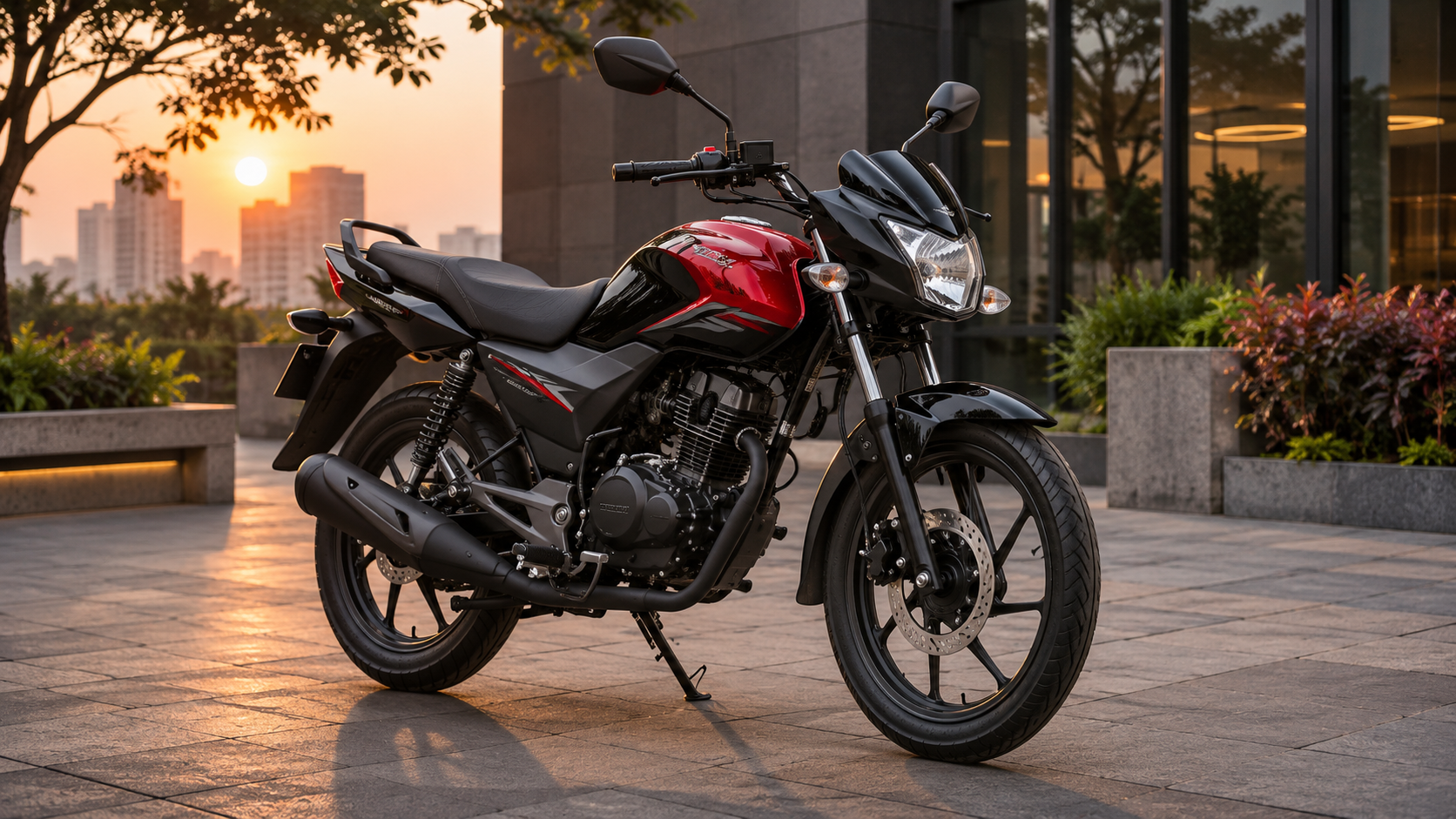
The right everyday motorcycle should fit the rider and the journeys ahead. Comfort, manageable weight, riding position, and practical storage deserve attention alongside appearance.
Start with the rides you will make
An everyday motorcycle should make sense for ordinary days. Think about the route to work, the places you can park, the luggage you carry, and the conditions in which you would actually choose to ride. A machine selected for an imagined touring holiday may not suit a short daily journey.
Write a short description of a typical week before comparing specifications. Include the tasks around the ride: moving the motorcycle out of storage, arranging security, carrying a bag, and putting equipment away when you arrive. Practical ownership starts before the engine does.
Fit deserves unhurried attention
With permission and appropriate supervision at a dealership, spend time understanding the seating position and the location of the controls. Notice whether your posture feels natural and whether you can comfortably operate what you need. A few minutes admiring a motorcycle from a distance cannot answer those questions.
Do not turn a showroom impression into a claim about how the bike will behave in traffic. Static comfort and real riding are different assessments. Ask an instructor or qualified professional to help you evaluate suitability for your experience, and only undertake a demonstration ride when properly qualified and equipped.
Budget for the whole routine
The purchase price is one part of ownership. Make room for training, protective equipment, insurance, scheduled maintenance, storage, and security. Obtain current figures for the specific motorcycle and your circumstances instead of assuming another rider's costs will apply.
Consider how service and storage fit into your week. A motorcycle that requires arrangements you cannot comfortably maintain may become less convenient than expected. Ask clear questions about the handbook's maintenance schedule and keep the answers alongside your comparison notes.
Choose room to learn
NHTSA stresses that motorcycle operation requires skills distinct from driving a car and recommends appropriate rider education. Its guidance also covers protective clothing and pre-ride checks. Treat these as part of becoming ready to ride, not accessories to think about after selecting a machine.
A useful comparison ends with a reasoned explanation: this motorcycle suits the journeys, practical arrangements, and learning needs you have identified. Appearance can remain part of the decision. It simply should not be the only part. The best everyday choice is one you can approach responsibly and use comfortably within your abilities.
Sources & resources
Technical and safety references checked November 18, 2026. These general guides do not replace instructions for a specific vehicle or road.